

Ashwagandha Benefits: How This Powerful Herb Boosts Stress Relief, Energy, and Immunity

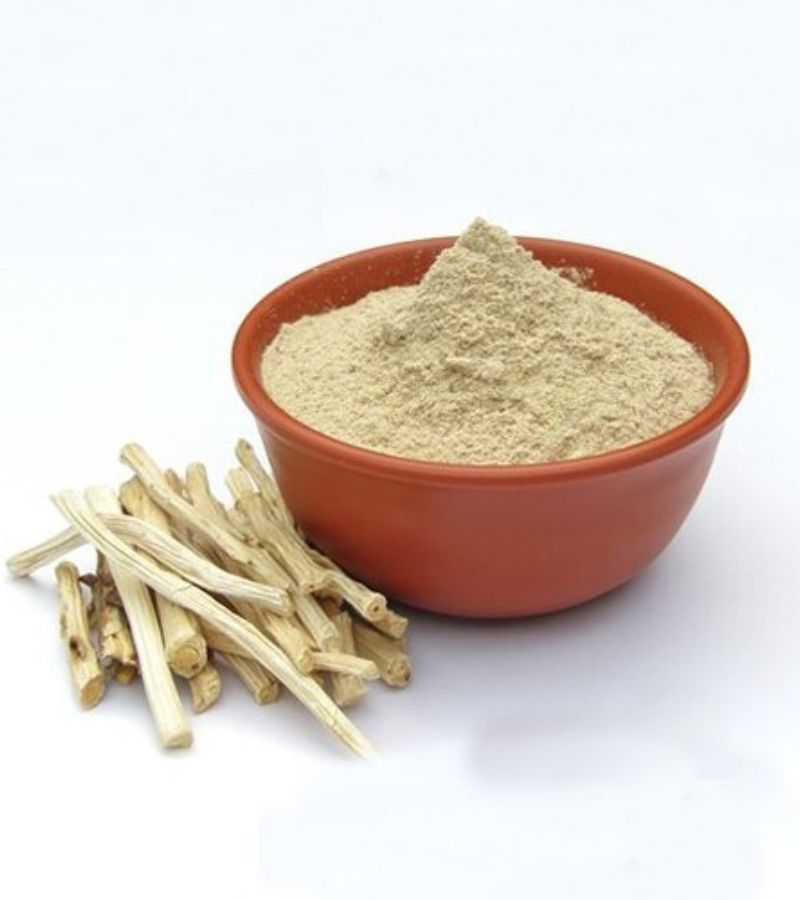
Ashwagandha: Benefits, Uses, and Why It’s Called the King of Herbs
Ashwagandha, scientifically known as Withania somnifera, is one of the most powerful and respected herbs in Ayurveda. Often called Indian Ginseng or Winter Cherry, this ancient adaptogenic herb has been used for over 3,000 years to promote strength, vitality, and overall well-being. In today’s fast-paced lifestyle, Ashwagandha has gained global recognition for its ability to help the body manage stress, boost energy, and support both physical and mental health.
In this blog, we’ll explore what Ashwagandha is, how it works, and the many health benefits that make it a must-have herbal supplement.
What Is Ashwagandha?
Ashwagandha is a small evergreen shrub native to India, the Middle East, and parts of Africa. The roots and leaves of the plant are used to prepare powders, capsules, tablets, oils, and extracts. The name “Ashwagandha” comes from Sanskrit, meaning “smell of a horse,” symbolizing the herb’s ability to impart strength, stamina, and vitality.
In Ayurveda, Ashwagandha is classified as a Rasayana, which means it promotes longevity, rejuvenation, and resistance to disease.
Ashwagandha as an Adaptogen
One of the key reasons Ashwagandha is so popular is its adaptogenic nature. Adaptogens are herbs that help the body adapt to stress, whether physical, mental, or emotional. Ashwagandha works by regulating cortisol levels (the stress hormone), helping maintain balance in the nervous and endocrine systems.
This makes it especially useful for people dealing with chronic stress, anxiety, fatigue, or burnout.
Top Health Benefits of Ashwagandha
1. Reduces Stress and Anxiety
Ashwagandha is best known for its stress-relieving properties. Studies show that it helps lower cortisol levels, which can reduce symptoms of stress, anxiety, and nervous tension. Regular use may promote calmness, mental clarity, and emotional balance without causing drowsiness.
It is particularly helpful for individuals experiencing work stress, sleep issues, or mental fatigue.
2. Improves Energy and Stamina
Unlike stimulants that cause sudden energy spikes, Ashwagandha works gradually to increase natural energy levels. It supports the adrenal glands, improves endurance, and helps fight fatigue. Athletes and physically active individuals often use Ashwagandha to enhance strength, stamina, and recovery.
3. Supports Better Sleep Quality
Ashwagandha has mild sedative properties that help calm the nervous system. It promotes deep, restful sleep by reducing stress and calming the mind. People suffering from insomnia or disturbed sleep patterns may benefit from taking Ashwagandha regularly.
4. Boosts Brain Function and Memory
Ashwagandha is known to support cognitive health. It may help improve memory, focus, and concentration by reducing oxidative stress in the brain. It also supports nerve regeneration and protects brain cells, making it beneficial for long-term brain health.
5. Enhances Male Vitality and Strength
Traditionally, Ashwagandha has been used to support male wellness and vitality. It helps improve stamina, strength, and overall reproductive health. Research suggests it may support healthy testosterone levels and improve physical performance, making it a popular herb for men seeking natural vitality support.
6. Supports Female Hormonal Balance
Ashwagandha is also beneficial for women. It helps regulate hormonal balance, reduce stress-related hormonal fluctuations, and support overall reproductive health. Women experiencing fatigue, mood swings, or stress-related cycle irregularities may find Ashwagandha helpful.
7. Strengthens Immunity
Ashwagandha supports the immune system by enhancing the body’s natural defense mechanisms. Its antioxidant and anti-inflammatory properties help protect against infections, seasonal illnesses, and general weakness.
8. Helps Maintain Healthy Blood Sugar Levels
Some studies suggest that Ashwagandha may help regulate blood sugar levels by improving insulin sensitivity. This makes it a supportive herb for overall metabolic health when combined with a balanced diet and healthy lifestyle.
9. Supports Heart Health
By reducing stress, inflammation, and bad cholesterol (LDL), Ashwagandha indirectly supports cardiovascular health. It may help maintain healthy blood pressure levels and improve circulation.
10. Anti-Inflammatory and Joint Support
Ashwagandha contains natural compounds called withanolides, which have anti-inflammatory properties. These help reduce joint stiffness, muscle discomfort, and inflammation, making it useful for people with active lifestyles or age-related joint concerns.
How to Use Ashwagandha
Ashwagandha is available in several forms:
- Powder (Churna): Can be mixed with warm milk, water, or honey
- Capsules/Tablets: Convenient for daily use
- Liquid Extract: Fast absorption
- Oil: Used for massage and relaxation
General dosage:
Typically, 300–600 mg of Ashwagandha extract per day is commonly used. However, dosage may vary based on the form and individual needs. It’s best to consult a healthcare professional before starting any supplement.
Are There Any Side Effects?
Ashwagandha is generally safe when taken in recommended amounts. Mild side effects may include stomach discomfort or drowsiness in some individuals. Pregnant or breastfeeding women and people with specific medical conditions should consult a doctor before use.
Conclusion
Ashwagandha is truly a powerhouse herbal remedy with a wide range of benefits for the mind and body. From reducing stress and improving sleep to boosting energy, immunity, and overall vitality, this ancient Ayurvedic herb fits perfectly into modern wellness routines.
Whether you’re looking to manage daily stress, enhance physical strength, or support long-term health naturally, Ashwagandha offers a time-tested and holistic solution. When used consistently and responsibly, it can help bring balance, resilience, and renewed energy into your life.